Once all of the images had been shot the final stage in any project is editing the available images into a coherent form. I had to drop about half the images to make a possible book, which I had estimated would contain thirty images. When editing I think of so much: previous projects, other photographer's work, a running tone, poetic rhythm, etc. In this case all of the images were taped to the walls of my house for a few days to really enforce the consideration stages.
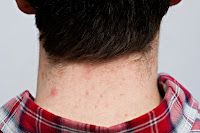
The thirty images for the book really came together quite quickly. Having the images on the walls for a few days allowed natural visual rhythms to formulate. The book stems from a perfect example of a nape and travels from all the various types and styles to end on the most banal example possible. This creates a simple structure that allows other rhythms to develop according to content, colour, tone, etc.

Once the thirty were selected I needed to proof this selection over another day. After the book is made for assessment I will have to further reduce the number for the exhibition, to ten. This will be more difficult again as I will be torn between favourites and succinct sequences.